In the world of professional audio, the choice between monitoring headphones and Hi-Fi headphones represents more than just a preference—it’s a fundamental decision that reflects the user’s intent, environment, and creative goals. For music producers, engineers, and performers, this distinction is especially critical, as the right tool can elevate their work, while the wrong one may lead to misguided decisions or an inaccurate representation of their art.
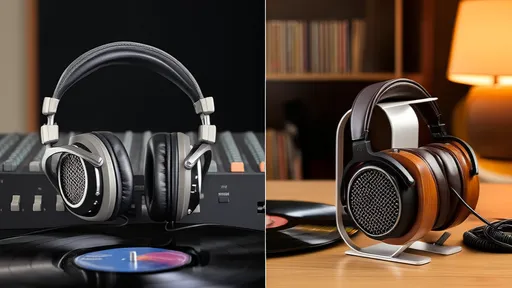
Monitoring headphones, often referred to as studio monitors for the ears, are designed with one primary objective: accuracy. These headphones strive to reproduce audio exactly as it is recorded or mixed, without coloration, enhancement, or any form of sonic manipulation. The goal is to provide a transparent and honest representation of the source material. This is invaluable in a studio setting, where engineers need to hear every detail—the subtle nuances of a vocal take, the precise decay of a reverb tail, or the potential flaws like clipping, phase issues, or unwanted noise. Brands like Audio-Technica, Sennheiser (in their professional lines), and Beyerdynamic are renowned for models that offer a flat frequency response, ensuring that no part of the spectrum is exaggerated or suppressed.
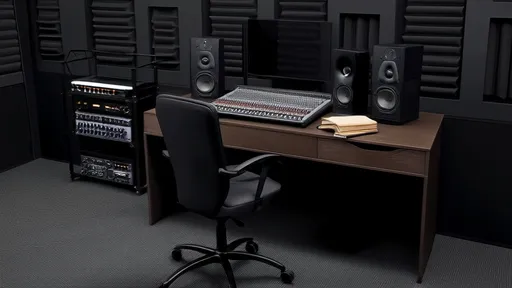
This neutrality allows mixing and mastering engineers to make informed decisions about EQ, compression, and spatial effects, knowing that what they hear is a true reflection of the audio. For recording artists, especially vocalists and instrumentalists, closed-back monitoring headphones are essential for tracking. Their design minimizes sound leakage, preventing the microphone from picking up the headphone output, while also offering sufficient isolation to let the performer focus on their performance without external distractions. The comfort and durability of these headphones are also tailored for long sessions, with robust construction and replaceable parts, acknowledging the demanding nature of studio work.
On the other end of the spectrum lie Hi-Fi headphones, which are crafted for the enjoyment of music. The term "Hi-Fi" itself—short for high fidelity—suggests a faithful reproduction of sound, but in practice, these headphones often prioritize pleasure and engagement over strict accuracy. Manufacturers of Hi-Fi gear, such as Sennheiser (in their consumer lines), Grado, and Audeze, frequently tune their headphones to enhance certain frequencies, like boosting the bass for a more powerful low-end or sweetening the highs to add sparkle and airiness. This sonic signature is intended to make music sound more exciting, immersive, and emotionally resonant for the listener.
For the audiophile or casual listener, this approach is ideal. It transforms the listening experience into something more than mere reproduction; it becomes an interpretation. A well-mixed track can sound even more expansive and dynamic on a pair of high-quality Hi-Fi headphones. However, this very enhancement is what makes them unsuitable for critical audio work. If a mix is crafted on headphones that artificially boost bass, for example, the producer might undercompensate with the low-end EQ, resulting in a mix that sounds weak or thin on other systems. The coloration, while pleasing, masks the true nature of the audio, leading to potential imbalances in the final product.
So, where does this leave the music professional? The choice is not necessarily about picking one over the other permanently, but rather understanding the role each plays in the audio chain. For the core tasks of recording, editing, mixing, and mastering, monitoring headphones are non-negotiable. They are the diagnostic tool, the unbiased critic that reveals the raw truth of the recording. Investing in a reliable pair is investing in the integrity of one’s work. It’s advisable to choose models known for their flat response, comfortable fit for extended wear, and sufficient isolation for the intended environment.
However, this doesn’t mean Hi-Fi headphones have no place in a music professional’s arsenal. They can be incredibly useful for reference checking. Once a mix is completed on neutral monitors or headphones, it’s a standard practice to test it on various consumer systems—car stereos, smartphone speakers, and yes, Hi-Fi headphones. This helps ensure that the mix translates well across the broad range of devices listeners use. If a track sounds balanced and compelling on both studio monitors and a colored Hi-Fi system, it’s a good sign that the mix is robust. Some producers even keep a pair of popular consumer headphones, like the Beats by Dre or AirPods Max, specifically for this purpose, as they represent the listening experience of a large segment of the audience.
Beyond the technical specifications, the decision also touches on the philosophy of the artist. Are you seeking pure, unadulterated truth in your sound, or are you open to tools that inspire through their character? Some musicians, particularly in electronic or hip-hop genres, might occasionally use bass-heavy headphones for creative inspiration during the composition phase, even if they ultimately switch to flat monitors for the final mix. The key is awareness—knowing how your tools affect what you hear and making conscious choices accordingly.
In conclusion, the debate between monitoring and Hi-Fi headphones is not about which is superior, but about purpose. For the music creator, the monitor headphone is the scalpel—precise, clinical, and essential for detailed work. The Hi-Fi headphone is the polished mirror—it shows you a flattering, enhanced version of the truth, perfect for enjoyment and consumer validation. A savvy music professional recognizes the value of both, employing each where it serves the music best, ensuring that their artistic vision is not only accurately captured but also beautifully experienced by the world.

By /Aug 22, 2025
By /Aug 22, 2025

By /Aug 22, 2025
By /Aug 22, 2025

By /Aug 22, 2025
By /Aug 22, 2025
By /Aug 22, 2025
By /Aug 22, 2025
By /Aug 22, 2025
By /Aug 22, 2025

By /Aug 22, 2025

By /Aug 22, 2025

By /Aug 22, 2025

By /Aug 22, 2025

By /Aug 22, 2025

By /Aug 22, 2025
By /Aug 22, 2025

By /Aug 22, 2025

By /Aug 22, 2025
By /Aug 22, 2025