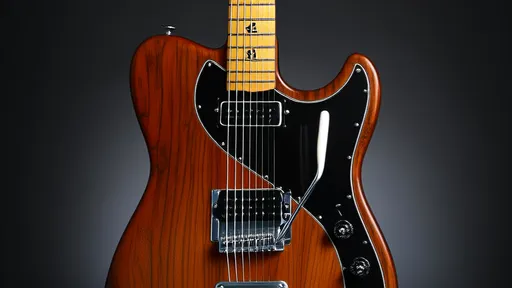
In the world of electric guitars, much attention is given to pickups, amplifiers, and effects pedals, but the soul of the instrument—the wood from which it is carved—often remains an unsung hero. The choice of tonewood is not merely an aesthetic decision; it is a fundamental factor that shapes the voice, resonance, and character of the guitar. Each species of wood carries its own unique sonic signature, influencing everything from sustain and brightness to warmth and harmonic complexity. For guitarists seeking their "destiny guitar," understanding how different woods affect tone is essential to finding an instrument that truly speaks to them.
When discussing tonewoods, it is impossible to overlook the legendary status of mahogany. Prized for its density and weight, mahogany delivers a rich, warm, and resonant tone with pronounced midrange frequencies. It provides a solid foundation for the guitar's sound, offering excellent sustain and a smooth compression that many players describe as "singing." This wood is often paired with maple tops to add brightness and clarity, creating a balanced tonal profile that has become a staple in rock and blues. The inherent warmth of mahogany makes it particularly well-suited for genres that require depth and body, such as classic rock, hard rock, and even jazz. Its sonic characteristics ensure that notes bloom fully and decay gracefully, giving each phrase a vocal-like quality.
In contrast, ash and alder have long been favorites in the world of solid-body guitars, especially those designed for clarity and punch. Alder is known for its well-rounded tonal palette, offering a balanced mix of lows, mids, and highs with a slight emphasis on the upper midrange. This results in a clear, articulate sound that cuts through a mix without being overly harsh. Its lightweight nature also contributes to a comfortable playing experience, making it a popular choice for session musicians and live performers alike. Ash, particularly swamp ash, shares some similarities with alder but often exhibits a more airy and resonant character with enhanced low-end and sparkling highs. It is a wood that breathes life into notes, giving them a lively, springy quality that is ideal for country, funk, and vintage-style rock.
For those seeking brightness and attack, maple stands as a premier choice. While commonly used for necks and fretboards due to its hardness and durability, maple is also employed in guitar bodies, either as a primary wood or in combination with others. As a body wood, maple produces a bright, articulate, and focused tone with strong note definition and minimal low-end warmth. It emphasizes the upper harmonics, giving chords clarity and single notes a cutting edge. This makes it exceptionally well-suited for styles that require precision and speed, such as shred, metal, and technical fusion. However, its inherent brightness can sometimes be overwhelming, which is why it is often paired with warmer woods like mahogany or walnut to temper its sharpness and add complexity.
Another wood that has gained a dedicated following is basswood. Often used in mid-range and high-end guitars, basswood is lightweight and relatively soft compared to mahogany or maple. Tonally, it is known for its smooth, even response with a gentle midrange focus and soft highs. It lacks the aggressive edge of maple or the deep resonance of mahogany but offers a balanced, neutral platform that allows pickups and electronics to shine. Many players appreciate basswood for its comfort and playability, as well as its ability to handle high-gain settings without becoming muddy or harsh. It is a wood that serves as a clean canvas, making it a favorite among shred and metal guitarists who rely on onboard preamps and effects to shape their sound.
On the more exotic end of the spectrum, woods like walnut, koa, and zebrawood offer unique tonal properties that cater to specific tastes. Walnut, for instance, combines the warmth of mahogany with the clarity of maple, resulting in a balanced yet complex tone with strong note definition and rich harmonics. Koa, native to Hawaii, is renowned for its visual beauty and tonal versatility, providing a sweet, scooped midrange with sparkling highs and a tight low end. Zebrawood, with its striking appearance, delivers a bright, aggressive tone with long sustain and pronounced upper mids. These woods are often chosen by luthiers and players looking for something beyond the conventional, offering distinct voices that stand out in both sound and appearance.
It is important to note that the impact of wood on electric guitar tone is a subject of ongoing debate. Some argue that, in solid-body guitars, the influence of wood is minimal compared to pickups, strings, and amplification. However, seasoned players and builders will attest that the wood contributes to the overall resonance and feel of the instrument, affecting how vibrations travel through the body and interact with the strings. The density, grain structure, and moisture content all play a role in shaping the guitar's voice, even if the differences are subtle. Ultimately, the choice of wood is about finding an instrument that responds to your playing style and inspires creativity.
Beyond mere tone, the selection of wood also affects the guitar's weight, balance, and playability. A heavy mahogany body may produce lush sustain but can be taxing during long performances, while a lightweight basswood or alder body offers comfort at the potential expense of low-end heft. The neck wood, often maple or mahogany, influences the stiffness and resonance of the instrument, further coloring the sound. Even the fretboard material—whether rosewood, ebony, or maple—adds its own subtle character to the note articulation and harmonic content. These factors collectively contribute to the "feel" of the guitar, which is as critical as its sound in the hands of a musician.
In the quest for one's "destiny guitar," the journey involves more than comparing specifications; it requires listening, playing, and connecting with the instrument. The wood forms the foundation upon which all other components build, and its unique voice becomes an extension of the player's expression. Whether you are drawn to the vintage warmth of mahogany, the crisp attack of maple, or the balanced neutrality of alder, understanding these characteristics empowers you to make an informed choice. Your ideal guitar is out there, waiting to be discovered—a perfect marriage of wood, craft, and inspiration that resonates not just in the air, but in the soul.

By /Aug 22, 2025

By /Aug 22, 2025

By /Aug 22, 2025

By /Aug 22, 2025

By /Aug 22, 2025

By /Aug 22, 2025

By /Aug 22, 2025

By /Aug 22, 2025
By /Aug 22, 2025
By /Aug 22, 2025

By /Aug 22, 2025

By /Aug 22, 2025

By /Aug 22, 2025

By /Aug 22, 2025

By /Aug 22, 2025

By /Aug 22, 2025

By /Aug 22, 2025

By /Aug 22, 2025

By /Aug 22, 2025

By /Aug 22, 2025