In the pantheon of iconic audio gear that sculpted the sound of the 1980s, few units command as much reverence and nostalgia as the Yamaha REV7 Digital Reverberator. It wasn't merely another effects processor; it was a technological marvel that arrived at a pivotal moment in music production, becoming an indispensable tool in studios worldwide and on countless hit records. Its distinctive algorithms and pristine sound quality didn't just mimic spaces; it created new ones, defining the aural texture of an entire decade.
To understand the REV7's impact, one must first appreciate the landscape it entered. The late 1970s and early 1980s were a period of rapid transition from analog to digital. Plate and spring reverbs, along with tape echo, were the standards, each with their own beloved characteristics but also their limitations—bulky size, noise, and a lack of versatility. The first generation of digital reverbers were groundbreaking but often prohibitively expensive and sometimes sonically harsh or metallic. Yamaha, already a powerhouse in musical instruments and audio technology, sought to change this. They aimed to create a unit that was both accessible to a broader market and sonically superior, leveraging their growing expertise in digital signal processing.
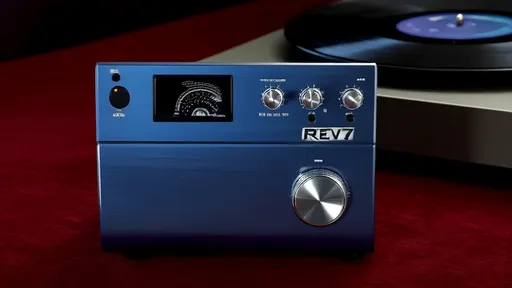
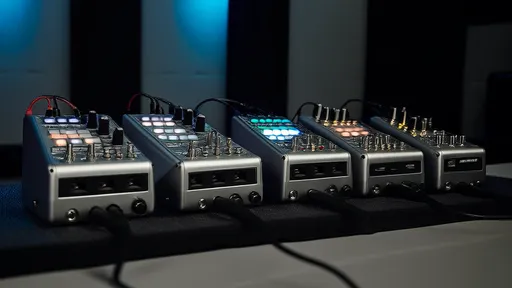
Launched in 1985, the REV7 was a revelation. It was a half-rack unit, making it significantly more space-efficient than many of its competitors and predecessors. This form factor was a godsend for both project studios with limited real estate and touring musicians building complex pedalboards or rack systems. But the true magic was hidden inside its sleek, white chassis. At its heart were two custom LSI chips developed by Yamaha, which were responsible for its now-legendary SPX90 multi-effects processor. The REV7, however, was a dedicated reverb unit that shared and refined this core technology, focusing it exclusively on the art of reverberation and a few key modulation effects.
The unit offered eight core algorithms, but it was a handful of these that truly captured the imagination of engineers and musicians. The Hall 1 and Hall 2 programs provided rich, realistic concert hall simulations that were a world away from the clangy digital verbs of just a few years prior. They were warm, expansive, and incredibly musical, perfect for adding depth to vocals, drums, and entire mixes without sounding artificial. The Plate algorithm was arguably the star of the show. It didn't just emulate a classic plate reverb; it perfected it. It was brighter, smoother, and more controllable than its analog forebears, quickly becoming the go-to sound for snare drums and vocal plates on countless pop, rock, and R&B tracks. Its characteristic sheen is instantly recognizable on hits from artists like Whitney Houston, Phil Collins, and Prince.
Beyond these standard recreations, the REV7 ventured into new territory with its Early Reflection and Reverse Reverb programs. The Early Reflections algorithm allowed users to shape the initial, defining echoes of a space independently from the reverb tail, offering unprecedented creative control for adding ambience and dimension without washing a sound out. The Reverse Reverb, however, was its most overtly creative and "80s" sound. This effect, which creates a swelling reverb tail that crescendos *into* the dry signal rather than decaying after it, became a signature production trick. It was famously used on snare drums to create a sense of anticipation and drama, and on vocals for an ethereal, otherworldly pre-echo. It is perhaps the single effect most synonymous with the decade's production style.
Another critical factor in the REV7's success was its remarkable usability. The front panel, while covered in buttons, was logically laid out. Parameters were adjusted with a single large data wheel, making sound shaping an intuitive process. Users could store and recall 32 presets, a significant feature that allowed for quick recall during sessions. This combination of powerful sound and straightforward operation made it a workhorse. An engineer could call up a brilliant plate for a snare, a lush hall for a string pad, and a crazy reverse effect for a vocal ad-lib within seconds, all from one unit.
The Yamaha REV7's influence quickly permeated the music industry. It became a staple in professional studios, sitting proudly in racks next to units costing many times its price. Its sound is all over the smash records of the mid-to-late 80s. The gated snare drum sound, a defining rhythm of the era, almost always involved an REV7 or SPX90 plate. The powerful, shimmering ballads that dominated the charts relied on its hall programs for their sense of grandeur. From the polished pop of Stock Aitken Waterman productions to the ambitious rock of bands like Genesis and the sleek funk of the Minneapolis sound, the REV7 was a common denominator.
Its legacy extended far beyond its initial production run. While technology marched on, introducing newer processors with longer decay times and more processing power, the REV7 never truly disappeared. A curious thing happened: its specific digital character, once prized for its clarity, became a sought-after vintage tone. In an age of perfect, algorithmically flawless reverb plugins, producers and mix engineers began to seek out the imperfections and specific color of classic hardware. The REV7 experienced a massive resurgence, coveted for its ability to inject that authentic 80s vibe into modern productions. Its algorithms have been meticulously modeled in software, and original units command high prices on the vintage market, a testament to their enduring sonic appeal.
Today, the Yamaha REV7 is rightly celebrated as a classic. It stands as a perfect example of a technology hitting the market at the exact right time with the exact right sound. It was more than just a reverb unit; it was a creative instrument in its own right. It gave producers a new palette of sounds to paint with, sounds that became inextricably linked with the artistic expression of the 1980s. It wasn't just defining the sound of the decade; it was helping to create it, one pristine, modulated, and occasionally reversed reflection at a time. Its story is a testament to how a well-designed piece of technology can transcend its function and become an integral part of our cultural and musical history.

By /Aug 22, 2025
By /Aug 22, 2025

By /Aug 22, 2025
By /Aug 22, 2025

By /Aug 22, 2025
By /Aug 22, 2025
By /Aug 22, 2025
By /Aug 22, 2025
By /Aug 22, 2025

By /Aug 22, 2025

By /Aug 22, 2025

By /Aug 22, 2025

By /Aug 22, 2025

By /Aug 22, 2025

By /Aug 22, 2025

By /Aug 22, 2025
By /Aug 22, 2025

By /Aug 22, 2025

By /Aug 22, 2025
By /Aug 22, 2025