In the ever-evolving landscape of retail, a new paradigm is emerging that challenges traditional notions of what a flagship store should be. No longer mere points of sale, these spaces are increasingly being conceptualized and designed as immersive brand museums. This shift represents a fundamental rethinking of the relationship between a company and its customers, moving beyond transactional interactions to forge deeper, more meaningful connections.
The concept of the flagship store has always been about more than just selling products. Historically, these locations served as the physical embodiment of a brand's identity, often situated in prime real estate locations in global cities like New York, Paris, or Tokyo. They were temples of commerce where the full range of products could be displayed in ideal conditions, and where the brand story could be told in its most complete form. However, in recent years, this concept has undergone a radical transformation, accelerated by the digital revolution and changing consumer expectations.
As online shopping has become ubiquitous, the physical store has had to justify its existence by offering something that cannot be replicated through a screen. This has led to the rise of what industry insiders are calling the brand museum flagship. These are spaces where commerce takes a back seat to experience, where visitors come not just to buy, but to learn, to feel, and to connect with the brand's heritage and values. They are destinations in their own right, often drawing tourists and locals alike who may have no intention of making a purchase but are curious about the brand's world.
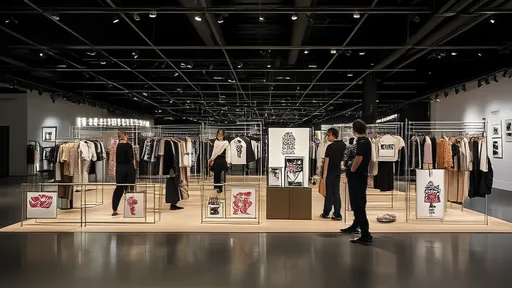
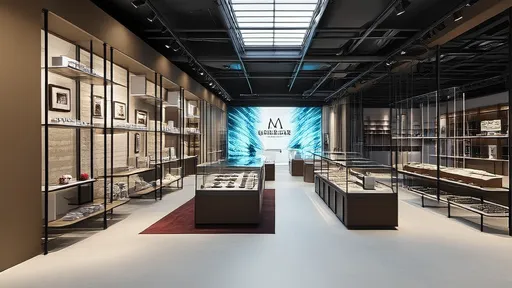
Walking into one of these new flagship spaces, the difference is immediately apparent. Traditional retail elements are still present, but they are integrated into a much broader narrative. You might find historical artifacts from the brand's archives, interactive displays that explain the craftsmanship behind the products, or multimedia installations that transport visitors to the places where the brand's materials are sourced. The space is designed to be explored, with areas dedicated to storytelling and education rather than just display and sales.
This approach represents a significant investment for brands, both financially and conceptually. It requires a deep understanding of one's own history and values, as well as a commitment to sharing that story in an engaging and authentic way. The returns, however, can be substantial. By creating an emotional connection with visitors, these brand museums foster loyalty and advocacy that translates into long-term value far beyond any immediate sales. They become cultural landmarks, enhancing the brand's prestige and reinforcing its position in the market.
Critics might argue that this trend is merely a sophisticated form of marketing, a way to cloak commercial intent in the respectable garb of culture and education. There is some truth to this, of course—these spaces are ultimately designed to strengthen the brand and drive business results. However, to dismiss them as cynical would be to miss the genuine value they can offer to consumers. In an age of mass production and disposable goods, these spaces provide a welcome opportunity to slow down, to appreciate quality and craftsmanship, and to understand the stories behind the products we use.
The evolution of the flagship store into a brand museum also reflects broader changes in our society. As consumers become more conscious of the environmental and social impact of their purchases, they are seeking out brands that align with their values. These immersive spaces allow companies to demonstrate their commitment to sustainability, ethical sourcing, and community engagement in a tangible way. They can showcase initiatives, highlight partnerships, and provide transparent information about their supply chains, building trust through openness rather than assertions.
Looking to the future, it seems likely that this trend will continue to develop and diversify. We may see flagships that function as cultural hubs, hosting events, workshops, and exhibitions that extend beyond the brand itself to engage with wider artistic and social movements. The line between retail, museum, and community space will blur even further, creating hybrid environments that serve multiple purposes and audiences. The successful brands will be those that can balance commercial objectives with genuine cultural contribution, creating spaces that are both profitable and meaningful.
In conclusion, the question of whether the modern flagship is a retail space or a brand museum is perhaps the wrong one to ask. The most successful examples are both, and more. They are physical manifestations of a brand's universe, designed to engage all the senses and create memories that last long after any purchase. They represent a new chapter in the history of retail, one in which value is measured not just in transactions, but in connections, stories, and experiences. As this evolution continues, it will be fascinating to see how brands rise to the challenge of creating spaces that are truly worthy of the museum title, while still fulfilling their commercial role in an increasingly complex retail landscape.

By /Aug 21, 2025
By /Aug 21, 2025

By /Aug 21, 2025

By /Aug 21, 2025

By /Aug 21, 2025

By /Aug 21, 2025

By /Aug 21, 2025

By /Aug 21, 2025

By /Aug 21, 2025

By /Aug 21, 2025

By /Aug 21, 2025
By /Aug 21, 2025
By /Aug 21, 2025

By /Aug 21, 2025

By /Aug 21, 2025
By /Aug 21, 2025

By /Aug 21, 2025

By /Aug 21, 2025

By /Aug 21, 2025

By /Aug 21, 2025