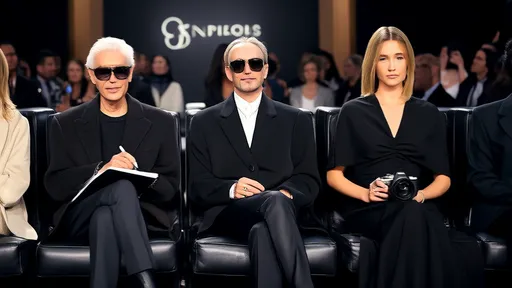
As the lights dim and the first model steps onto the runway, all eyes are drawn to the spectacle unfolding on the catwalk. But for those who have secured a coveted front-row seat, the real show often happens just inches away from the action. While celebrities and A-listers dominate the spotlight in fashion week coverage, they are far from the only occupants of these hallowed chairs. The front row is a meticulously curated ecosystem, a blend of power, influence, and cold, hard business strategy.
Nestled between the movie star and the socialite, you will invariably find the fashion editor. These are not mere writers or reporters; they are the industry's gatekeepers. Armed with notebooks, sharp eyes, and an encyclopedic knowledge of trends, their presence is paramount. A positive review from a major publication's senior editor can catapult a nascent designer into the stratosphere, while a dismissive glance can be equally devastating. They are there to dissect, analyze, and ultimately, to dictate the narrative that will be consumed by the public in the coming weeks. Their seats are not just complimentary; they are earned through years of building credibility and influence.
Another constant fixture is the stylist. These behind-the-scenes maestros wield immense power. They are the architects of celebrity image, the curators of red-carpet moments, and the key connectors between the designer's atelier and the global audience. A stylist sitting front row is on a sourcing mission. They are mentally cataloging pieces for their high-profile clients, envisioning which gown might be perfect for the next awards season or which tailored suit could redefine a pop star's aesthetic. Their approval is a direct line to lucrative celebrity endorsements and priceless media placements, making their front-row presence a critical business development activity.
Then there are the buyers. Representing luxury department stores like Bergdorf Goodman, Harrods, or Neiman Marcus, as well as influential boutique chains from around the globe, these individuals are the economic engine of the fashion industry. While the show is a creative presentation, for buyers, it is a high-stakes sales meeting. They are scrutinizing every stitch, every fabric, every silhouette, not for its artistic merit, but for its commercial viability. Their orders, often placed in the millions, determine which collections actually reach the sales floor and which are relegated to fashion history footnotes. Their front-row seat is a command center from which they make decisions that will shape retail trends for the coming season.
In recent years, a new breed of front-row attendee has emerged: the influencer and content creator. With followings that dwarf the circulation of many traditional magazines, these digital natives have been granted a seat at the table—literally. Brands court them not for critical acclaim, but for access to their vast, engaged audiences. A single Instagram story or TikTok video from a front-row influencer can generate more immediate buzz than a print magazine feature months down the line. Their value is measured in metrics—likes, shares, and conversion rates—and their presence signifies the industry's undeniable pivot towards digital marketing and direct-to-consumer engagement.
Less visible but equally important are the private clients and VICs (Very Important Customers). These are the individuals with the financial capacity to purchase haute couture or the most exclusive ready-to-wear pieces directly from the runway. Often flying in from the Middle East, Asia, or Europe, they are the lifeblood of many luxury houses' bottom lines. Their front-row placement is a gesture of appreciation and a strategic move to foster loyalty. For them, the show is a personalized shopping experience, a first look at the treasures they may soon own, solidifying their status within an elite circle.
Finally, one must not forget the investors and brand executives. Behind every creative director is a team of suits ensuring the art remains commercially sustainable. Senior figures from the fashion house's parent company—be it LVMH, Kering, or Richemont—are often present, observing the reception of their multi-million dollar investment. They are assessing the mood, the energy, and the press reaction, translating creative expression into market performance and shareholder value. Their presence is a stark reminder that for all its glamour, fashion is, at its core, a multi-billion dollar global industry.
So, the next time you see a flashbulb erupt around a famous actress at a fashion show, look a little closer. The person next to her might be scribbling notes for a international magazine. The one on her other side might be calculating a multi-million dollar order. The front row is not a random assortment of lucky guests; it is a carefully constructed chessboard where every seat is strategically chosen to advance the narrative, the commerce, and the future of the brand. It is where art meets commerce, influence meets investment, and where the next season's trends are not just seen, but are decisively made.
By /Aug 21, 2025
By /Aug 21, 2025

By /Aug 21, 2025

By /Aug 21, 2025

By /Aug 21, 2025

By /Aug 21, 2025

By /Aug 21, 2025
By /Aug 21, 2025

By /Aug 21, 2025
By /Aug 21, 2025
By /Aug 21, 2025
By /Aug 21, 2025
By /Aug 21, 2025
By /Aug 21, 2025

By /Aug 21, 2025
By /Aug 21, 2025

By /Aug 21, 2025

By /Aug 21, 2025
By /Aug 21, 2025

By /Aug 21, 2025