The Economics of Gifting: The Consumer Psychology of Luxury Gifts

Aug 21, 2025 By

In the intricate dance of human relationships, few gestures carry as much symbolic weight as the act of giving a gift. It is a silent language, speaking volumes about the giver's perception of the recipient, the nature of their bond, and the social expectations that bind them. Within this complex ecosystem of exchange, luxury goods occupy a particularly fascinating and potent space. They are not merely objects of desire but powerful vessels of meaning, and their selection as gifts is governed by a sophisticated, often subconscious, economic and psychological calculus. This is the realm of gift economics, where value is not solely determined by price tags but by a web of social signals, emotional investments, and strategic intentions.

The journey into the psychology of gifting luxury begins with a fundamental shift in perspective. When an individual purchases a luxury item for themselves, the decision is often introspective, driven by personal taste, a desire for quality, or self-reward. The value is intrinsic and self-directed. However, the moment that same item is considered as a gift, the entire framework of decision-making pivots outward. The giver enters the mind of the receiver, attempting to anticipate their desires, their status, and their interpretation of the gesture. This act of projected consumption transforms the luxury object from a simple product into a message. The choice of a specific brand, be it a Rolex watch, a Hermès scarf, or a bottle of Dom Pérignon, is a carefully selected vocabulary. It communicates that the recipient is worthy of something exceptional, that the giver possesses the discernment to recognize this worth, and that their relationship merits a significant investment. This is not just spending; it is a form of social communication where the luxury good serves as the medium.

Delving deeper, we encounter the concept of signaling theory. In the social marketplace, gifts act as powerful signals of the giver's resources, taste, and commitment. A luxury gift is a high-cost signal. Its substantial financial outlay demonstrates the giver's economic capital in a way that is both conspicuous and undeniable. But it signals far more than mere wealth. It broadcasts cultural capital—an understanding of which brands hold cachet, which designs are timeless, and what constitutes true quality. Giving a thoughtfully chosen luxury item says, "I have not only the means but also the sophistication to select this for you." It signals emotional investment, suggesting that the recipient was worth the considerable time, effort, and expense. In this way, the gift becomes a tangible proof of esteem, a physical manifestation of the value the giver places on the relationship. The fear of sending an inadequate signal—of appearing cheap, tasteless, or indifferent—is a powerful driver behind the gravitation towards established, high-status luxury brands whose signals are universally understood.

This process is inextricably linked to the construction and maintenance of social bonds. Anthropologists have long studied the role of gift-giving as a mechanism for creating reciprocity and obligation. A luxury gift, by virtue of its high perceived value, creates a strong, albeit often unspoken, bond of indebtedness. It elevates the level of the relationship, setting a new benchmark for mutual regard. This is particularly evident in professional or aspirational social contexts, where a luxury gift can serve as a tool for forging alliances, expressing gratitude for a pivotal opportunity, or seeking favor. The recipient is not just receiving an object; they are accepting a symbol of a strengthened alliance. However, this strategic dimension must be carefully balanced with genuine affection to avoid being perceived as a crude transaction. The most successful luxury gifts masterfully blend strategic intent with authentic emotional resonance, making the recipient feel both valued and respected.

Furthermore, the psychology of the giver themselves is a critical, often overlooked, component. The act of giving luxury can be a profound source of utility and pleasure for the giver, a phenomenon known as the "warm glow" effect. There is a unique satisfaction derived from witnessing the joy and surprise elicited by an extravagant present. This emotional payoff can sometimes outweigh the pleasure of self-consumption, making the financial cost feel justified. For the giver, the luxury gift is an extension of their own identity. It allows them to craft a desired self-image—as generous, successful, and discerning—both in the eyes of the recipient and within their own social circle. The gift becomes a story, one that the giver gets to tell about their own magnanimity and taste.

Of course, this landscape is not without its paradoxes and pitfalls. The very signals that make luxury gifts so powerful can also lead to significant anxiety. The giver faces the pressure of exquisite choice, navigating a minefield of potential missteps. Will the recipient appreciate the brand's heritage, or find it ostentatious? Is the style a reflection of their true taste or the giver's projection? There is also the risk of asymmetry in valuation; the giver's perception of the gift's symbolic value may not align with the recipient's, leading to disappointment. The recipient, on the other hand, may feel the weight of the obligation it creates, a sense of pressure to reciprocate at a similar level, which can strain rather than strengthen a relationship. The most astute gift-givers understand these nuances, often opting for luxury items that are personal and experiential—such as a stay at a boutique hotel or a masterclass with a renowned chef—which can feel less like a demand for reciprocity and more like a shared memory in the making.

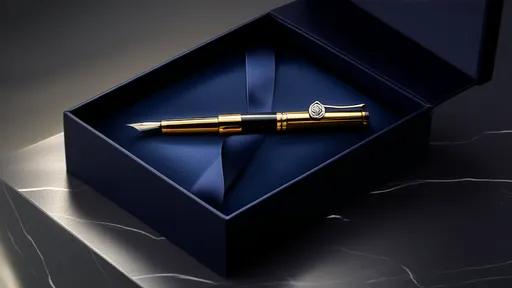
In conclusion, the economics of gifting luxury is a rich tapestry woven from threads of psychology, sociology, and strategy. It moves far beyond simple materialism into the complex arena of human connection. A luxury gift is a multifaceted symbol: a signal of status, a token of affection, a strategic tool, and a source of personal satisfaction for the giver. It represents a convergence of economic value and emotional meaning, where the price paid is an investment in a social relationship. In understanding the silent language spoken by a wrapped box containing a coveted object, we gain insight into the deep-seated human needs to connect, to impress, to belong, and to express our feelings in the most unequivocal way we know how. In the end, the greatest luxury a gift can possess is not its brand name, but its profound ability to say what words often cannot.
Recommend Posts
Fashion

Is the Quarterly Release Model of Fashion Calendars Outdated?

By /Aug 21, 2025

The rhythm of fashion has long been dictated by the relentless tick-tock of the seasonal calendar—spring/summer, fall/winter, resort, pre-fall—a cycle as predictable as the changing leaves. For decades, this cadence governed not just design and production, but the very heartbeat of the industry, from the front rows of Paris to the fluorescent-lit stockrooms of suburban malls. It was a system built on anticipation, exclusivity, and a certain theatrical delay. But in an era defined by instant digital gratification, climate urgency, and a profound shift in consumer consciousness, the bedrock of this traditional model is cracking. The question echoing through the ateliers and boardrooms is no longer about the color or hemline of the next season, but whether the concept of a "season" itself has become a relic.
Fashion

Diversity in the Modeling Industry: Genuine Progress or Just a Marketing Gimmick?"

By /Aug 21, 2025

The fashion industry has long been criticized for its narrow standards of beauty, but in recent years, a noticeable shift has taken place on runways and in advertising campaigns. The emergence of models who defy traditional norms—whether through size, age, disability, or ethnicity—has sparked a complex debate: Is this newfound diversity a genuine stride toward inclusivity, or merely a savvy marketing strategy designed to appeal to a broader consumer base?
Fashion

The Rise of Experiential Consumption: Why Do Young People Prefer to Pay for Courses and Workshops?

By /Aug 21, 2025

In recent years, a quiet revolution has been reshaping the spending habits of millennials and Gen Z consumers. While previous generations might have prioritized accumulating material possessions—designer handbags, the latest smartphones, or fast fashion—today’s youth are increasingly opening their wallets for something far less tangible: experiences. More specifically, there has been a notable surge in their willingness to pay for courses and workshops, ranging from pottery and sourdough baking to coding bootcamps and mindfulness retreats.
Fashion

Intergenerational Aesthetic Differences: A Comparison of Shopping Carts between Gen Z and Millennials

By /Aug 21, 2025

In the sprawling digital marketplace, two generations stand out as dominant forces shaping contemporary commerce: Millennials and Generation Z. While often lumped together under the broad umbrella of "young consumers," a closer examination of their shopping carts reveals a fascinating narrative of diverging values, aesthetics, and economic realities. This contrast is not merely about different brands or products; it is a reflection of fundamentally different worldviews forged by the distinct eras of their coming-of-age.
Fashion

The Source of Fashion Anxiety: How Social Media is Changing Our Shopping Habits

By /Aug 21, 2025

In the digital age, the fashion landscape has undergone a seismic shift, largely driven by the pervasive influence of social media. Platforms like Instagram, TikTok, and Pinterest have not only transformed how we discover trends but have fundamentally altered our shopping behaviors, often fueling what is now widely recognized as fashion anxiety. This phenomenon stems from the constant exposure to curated perfection, the pressure to keep up with rapidly changing styles, and the blurring lines between inspiration and inadequacy.
Fashion

Overcoming the Anxiety of Others' Traces" in Secondhand Consumption

By /Aug 21, 2025

In the quiet corners of secondhand shops and the digital aisles of online marketplaces, a subtle but persistent anxiety often lingers in the minds of potential buyers. It is the unease that comes not from the quality or price of a pre-owned item, but from its history—the invisible yet palpable traces of its previous owners. This phenomenon, often termed "previous owner anxiety" or "others' traces anxiety," represents a significant psychological barrier to the adoption of secondhand consumption. For many, the idea of wearing a sweater that once belonged to a stranger, or reading a book annotated by another, can feel intrusive, almost like an unwelcome intimacy. Yet, as sustainability becomes increasingly urgent and consumer mindsets evolve, overcoming this discomfort is not just a personal triumph but a collective necessity.
Fashion

The Economics of Gifting: The Consumer Psychology of Luxury Gifts

By /Aug 21, 2025

In the intricate dance of human relationships, few gestures carry as much symbolic weight as the act of giving a gift. It is a silent language, speaking volumes about the giver's perception of the recipient, the nature of their bond, and the social expectations that bind them. Within this complex ecosystem of exchange, luxury goods occupy a particularly fascinating and potent space. They are not merely objects of desire but powerful vessels of meaning, and their selection as gifts is governed by a sophisticated, often subconscious, economic and psychological calculus. This is the realm of gift economics, where value is not solely determined by price tags but by a web of social signals, emotional investments, and strategic intentions.
Fashion

The Evolution of Men's Suit Pockets: From Practicality to Ornamentation

By /Aug 21, 2025

In the sartorial narrative of men's suits, the evolution of pockets tells a story far richer than mere fabric and thread. What began as purely functional repositories for a gentleman's essentials has, over centuries, transformed into a nuanced language of style, status, and subtle decoration. The journey of the suit pocket is a mirror to the changing roles of men in society, reflecting shifts from utilitarian needs to the sophisticated codes of modern elegance.
Fashion

Democratization of Jeans: From Work Pants to Fashion Icon

By /Aug 21, 2025

In the vast tapestry of fashion history, few garments have undergone a transformation as profound and paradoxical as blue jeans. What began as humble workwear for laborers and miners has evolved into a global symbol of style, rebellion, and democratic expression. The journey of denim from the rough-and-tumble world of 19th-century manual labor to the glittering runways of Paris and Milan is not merely a story of changing trends; it is a narrative about class, culture, and the very essence of modern identity.
Fashion

The Infinite Possibilities of the Little Black Dress: From Chanel to the Contemporary Evolution

By /Aug 21, 2025

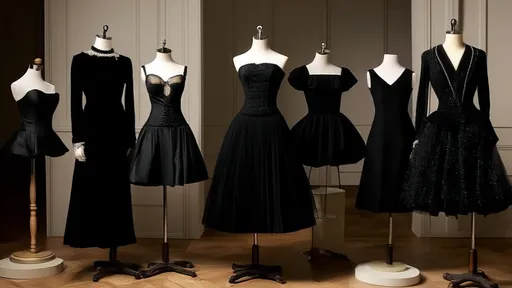
In the annals of fashion history, few garments have achieved the iconic, almost mythical status of the little black dress. Its journey from scandalous novelty to wardrobe staple is a narrative woven with threads of social change, artistic innovation, and timeless allure. It is a story that begins not with a single moment of creation, but with a cultural revolution led by a visionary, Coco Chanel.
Fashion

Trench Coat Files: A Triangular Relationship Between Burberry, Aquascutum, and Mackintosh"

By /Aug 21, 2025

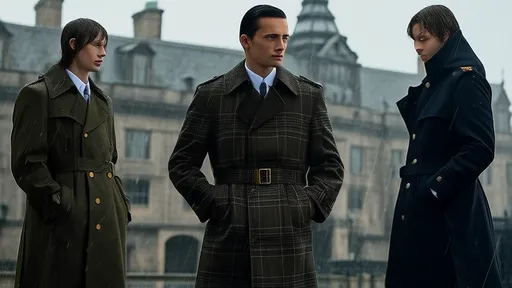
In the annals of sartorial history, few garments carry the narrative weight and cultural resonance of the trench coat. This iconic piece, born from practicality yet elevated to high fashion, is inextricably linked to a fascinating and complex rivalry between three British institutions: Burberry, Aquascutum, and Mackintosh. Their intertwined histories form a triangle not of mere competition, but of innovation, adaptation, and a shared claim to a legacy that has kept the world dry and stylish for over a century. To understand one is to understand them all, for their stories are woven together like the tightly spun yarns of their respective gabardines.
Fashion

Is Exhibition Merchandising More Profitable Than Ticket Sales in Fashion Exhibitions?

By /Aug 21, 2025

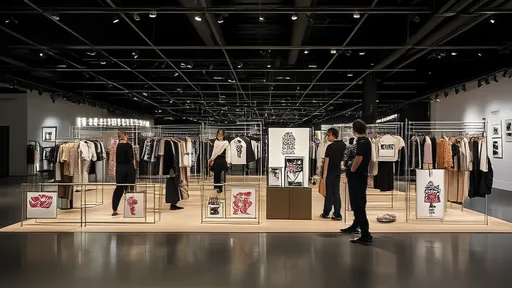
The hushed galleries of fashion exhibitions have long been sanctuaries of aesthetic contemplation, places where visitors commune with the ghosts of designers past and present. Yet, beneath the curated silence and the spotlighted mannequins, a quiet but profound commercial revolution is underway. The traditional economic model, heavily reliant on ticket sales to fund these often-costly productions, is being aggressively supplemented—and in some notable cases, entirely usurped—by a burgeoning market for exhibition-derived merchandise. The question is no longer just about how many visitors pass through the turnstiles, but about how much of the exhibition they can carry home with them in a shopping bag.
Fashion

Evolution of Fashion Week Street Style: From Candid Captures to Staged Posing

By /Aug 21, 2025

The sidewalks outside fashion week venues have transformed from mere thoroughfares into runways in their own right, a stage where the narrative of street style has undergone a profound and fascinating evolution. What began as an organic, almost anthropological documentation of personal style has morphed into a highly curated, commercialized, and strategic performance. The journey from the candid snap to the orchestrated pose is a story of changing technology, the rise of influencer culture, and the blurring of lines between the show inside the tent and the spectacle on the street.
Fashion

Front Row at Fashion Shows: Who's Really Sitting There Besides Celebrities?

By /Aug 21, 2025

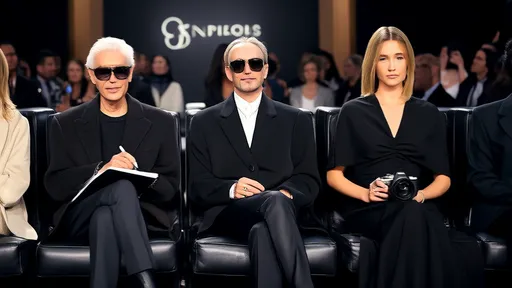
As the lights dim and the first model steps onto the runway, all eyes are drawn to the spectacle unfolding on the catwalk. But for those who have secured a coveted front-row seat, the real show often happens just inches away from the action. While celebrities and A-listers dominate the spotlight in fashion week coverage, they are far from the only occupants of these hallowed chairs. The front row is a meticulously curated ecosystem, a blend of power, influence, and cold, hard business strategy.
Fashion

Narrative of a Pop-Up Store: How to Tell a 15-Day Brand Story?

By /Aug 21, 2025

In the ephemeral world of pop-up retail, the ability to weave a compelling narrative across a condensed timeline is what separates memorable brand experiences from fleeting commercial encounters. A 15-day pop-up is not merely a temporary storefront; it is a stage for a carefully choreographed brand story, unfolding in real-time with a beginning, middle, and end. This narrative arc transforms passive consumers into active participants, creating emotional resonance and fostering a deeper connection that extends far beyond the physical lifespan of the installation itself.
Fashion

Flagship Store New Concept: Retail Space or Brand Museum?

By /Aug 21, 2025

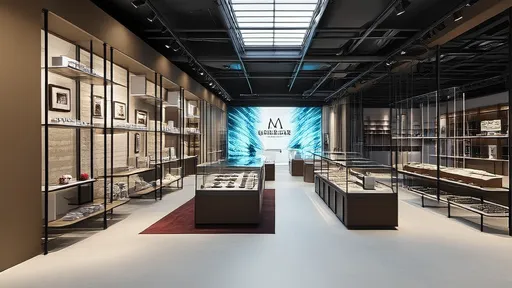
In the ever-evolving landscape of retail, a new paradigm is emerging that challenges traditional notions of what a flagship store should be. No longer mere points of sale, these spaces are increasingly being conceptualized and designed as immersive brand museums. This shift represents a fundamental rethinking of the relationship between a company and its customers, moving beyond transactional interactions to forge deeper, more meaningful connections.
Fashion

Sustainable Beauty: The Aesthetics Challenge of Refillable Core Packaging

By /Aug 21, 2025

In the ever-evolving landscape of beauty and personal care, sustainability has shifted from a niche concern to a central pillar of industry innovation. Among the myriad strategies employed to reduce environmental impact, refillable packaging systems have emerged as a particularly promising avenue. These systems, which allow consumers to purchase a durable outer container once and subsequently buy less resource-intensive refills, present a compelling solution to the problem of packaging waste. However, the integration of refill systems into the beauty market is not merely a logistical or environmental challenge; it is a profound design puzzle that sits at the intersection of function, aesthetics, and consumer psychology.
Fashion

Fragrance and Memory: How Brands Create Scenario-Based" Olfactory Marketing

By /Aug 21, 2025

In the hushed corridors of luxury department stores, a curious phenomenon occurs daily. Shoppers pause before a scented candle, inhale deeply, and their eyes glaze over with a distant recognition. They're not just smelling bergamot or sandalwood—they're being transported to grandmother's garden, to a childhood beach vacation, to a first date's perfume lingering on a winter scarf. This is the invisible architecture of scent at work, and forward-thinking brands are now building entire marketing cathedrals upon this neurological foundation.
Fashion

The Decorative and Functional Aspects of Hair Accessories: The Physics of Shark Clips

By /Aug 21, 2025

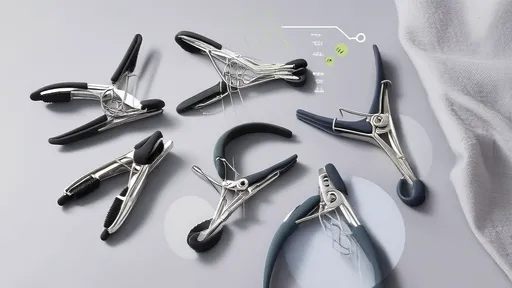
In the world of hair accessories, few items have experienced such a dramatic resurgence as the shark clip. Once relegated to the back of bathroom drawers and nostalgic 90s fashion, these functional clasps have swum back into mainstream style with undeniable force. But beyond their aesthetic appeal lies a fascinating world of physics, material science, and mechanical engineering that makes these seemingly simple devices both effective and enduring. The humble shark clip represents a perfect marriage of form and function, where decorative appeal meets sophisticated physical principles.
Fashion

Pseudo-Nude Makeup Upgrade: How to Create a Breathable Base Makeup Look"

By /Aug 21, 2025

In the ever-evolving world of beauty, the "no-makeup" makeup look has transcended from a fleeting trend to a timeless aesthetic. Among its most coveted iterations is the "pseudo-bareface" makeup—a technique so masterfully subtle it mimics the appearance of naturally flawless skin. This isn't about masking imperfections but rather enhancing the skin's innate vitality, creating a complexion that looks healthy, radiant, and, most importantly, like it can breathe. The foundation of this look, quite literally, is a base that appears undetectable, merging seamlessly with the skin to project an effortless elegance.