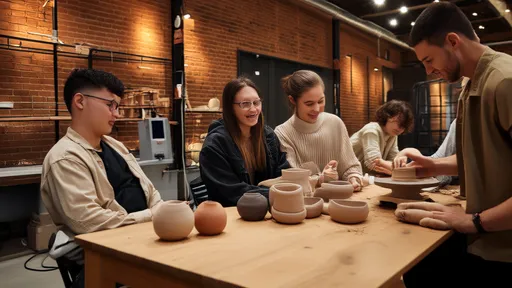
In recent years, a quiet revolution has been reshaping the spending habits of millennials and Gen Z consumers. While previous generations might have prioritized accumulating material possessions—designer handbags, the latest smartphones, or fast fashion—today’s youth are increasingly opening their wallets for something far less tangible: experiences. More specifically, there has been a notable surge in their willingness to pay for courses and workshops, ranging from pottery and sourdough baking to coding bootcamps and mindfulness retreats.
This shift is not merely a trend but a profound reflection of changing values. Young people today are placing a higher premium on personal growth, skill acquisition, and emotional fulfillment than on owning things. In a world saturated with digital content and material abundance, experiences offer something unique: a sense of authenticity, human connection, and a story to tell. The rise of the experience economy signifies a move away from passive consumption toward active participation.
One of the core drivers behind this behavior is the search for meaning and identity. For many young adults, traditional markers of success—a high-paying job, a house, a car—feel increasingly out of reach or simply less appealing. Instead, they are investing in themselves through learning and experiences that foster a sense of accomplishment and self-improvement. Taking a woodworking class or attending a creative writing workshop isn’t just about learning a new skill; it’s about crafting an identity and building a narrative of continuous growth.
Social media plays an undeniable role in fueling this demand. Platforms like Instagram, TikTok, and Pinterest are filled with visually appealing snippets of people engaged in hands-on activities—painting, cooking, dancing, or even building furniture. These posts don’t just showcase the end product; they often highlight the process, the struggle, and the joy of creating. This has normalized and even glamorized the act of learning in a social, shareable context, making educational experiences both aspirational and socially rewarding.
Moreover, the modern consumer is increasingly aware of the environmental and ethical implications of their purchases. Fast fashion and disposable goods have come under scrutiny for their environmental toll and often questionable labor practices. In contrast, spending money on a course or workshop leaves no physical waste and supports local artisans, educators, and small businesses. This alignment with conscious consumerism makes experiential spending not just personally fulfilling but also ethically sound.
The pandemic also accelerated this shift. During lockdowns, as physical shopping declined and screen time soared, many sought offline, tactile experiences to counterbalance digital fatigue. Online courses boomed, but so did the craving for in-person connection once restrictions eased. Workshops and classes became a way to reconnect with others, learn something new away from a screen, and engage the senses in a world that had become overwhelmingly virtual.
Another factor is the perceived long-term value of experiences over goods. While a new phone depreciates the moment it’s unboxed, a skill or memory tends to appreciate over time. Learning to play the guitar, for instance, offers endless hours of enjoyment, while a luxury bag eventually goes out of style. Young consumers, many of whom are burdened by student debt and rising living costs, are becoming more strategic about where they allocate their funds—opting for investments in their capabilities and well-being that promise lasting returns.
Brands and entrepreneurs have been quick to capitalize on this demand. What was once a niche market has exploded into a diverse ecosystem of offerings. From large platforms like MasterClass and Skillshare to local studios offering candle-making or floral arranging workshops, the options are vast and tailored to every interest and budget. These businesses often emphasize community, creativity, and well-being—values that resonate deeply with younger audiences.
Yet it would be reductive to view this solely through an economic or utilitarian lens. At its heart, the turn toward experiential learning is about reclaiming agency in a rapidly changing world. In an era of automation, artificial intelligence, and precarious job markets, developing diverse skills provides a sense of control and adaptability. It’s also a form of resistance against the passive consumption culture that dominated the late 20th century.
Looking ahead, this preference for courses and workshops shows no sign of slowing. As technology continues to evolve, so too will the formats—blending online convenience with offline engagement, perhaps through augmented reality or hybrid models. But the core appeal will remain: the human desire to learn, create, and connect. For the younger generation, these experiences are not just purchases; they are investments in a richer, more meaningful life.
In the end, the rise of experiential consumption among youth is more than a market trend—it’s a cultural shift toward valuing what truly endures: knowledge, relationships, and personal stories. And in a world that often feels uncertain, that might be the most valuable currency of all.

By /Aug 21, 2025
By /Aug 21, 2025
By /Aug 21, 2025

By /Aug 21, 2025

By /Aug 21, 2025

By /Aug 21, 2025

By /Aug 21, 2025

By /Aug 21, 2025

By /Aug 21, 2025
By /Aug 21, 2025

By /Aug 21, 2025
By /Aug 21, 2025
By /Aug 21, 2025

By /Aug 21, 2025

By /Aug 21, 2025

By /Aug 21, 2025

By /Aug 21, 2025

By /Aug 21, 2025

By /Aug 21, 2025

By /Aug 21, 2025