The rhythm of fashion has long been dictated by the relentless tick-tock of the seasonal calendar—spring/summer, fall/winter, resort, pre-fall—a cycle as predictable as the changing leaves. For decades, this cadence governed not just design and production, but the very heartbeat of the industry, from the front rows of Paris to the fluorescent-lit stockrooms of suburban malls. It was a system built on anticipation, exclusivity, and a certain theatrical delay. But in an era defined by instant digital gratification, climate urgency, and a profound shift in consumer consciousness, the bedrock of this traditional model is cracking. The question echoing through the ateliers and boardrooms is no longer about the color or hemline of the next season, but whether the concept of a "season" itself has become a relic.
The traditional fashion calendar, formalized in the mid-20th century, was a masterpiece of industrial orchestration. It allowed for lengthy lead times: designers conceived collections nearly a year in advance, fabrics were sourced, garments were meticulously constructed, and editors had months to build hype in glossy magazines before the clothes ever touched a rack. This created an aura of aspiration. The fashion show was the ultimate tease, a glimpse into a future you could eventually buy into. The system was perfectly symbiotic with a print-media world that operated on its own monthly or weekly schedule. It was, for its time, a well-oiled machine that maintained control, managed scarcity, and upheld the hierarchy of luxury.
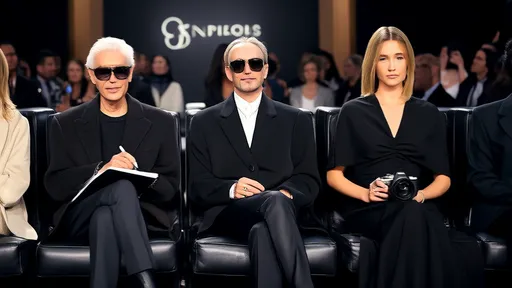
However, the digital revolution blew a hole straight through this carefully constructed timeline. The moment front-row attendees began live-streaming shows or posting images to Instagram in real-time, the veil of mystery was lifted. Consumers could see the coveted designs instantly, yet were told they must wait four to six months to purchase them. In an age of next-day delivery and digital immediacy, this delay began to feel not just antiquated, but absurd. The excitement generated by a spectacular show would peak and then evaporate long before the clothes were available, forcing brands to spend heavily on marketing campaigns to re-capture that lost momentum. The calendar, once a tool for building desire, was now actively working against it.
Simultaneously, the rise of see-now-buy-now presentations, most notably pioneered by brands like Burberry and Tom Ford, presented a radical alternative. By making collections available for purchase immediately after—or even during—their runway debuts, they sought to harness the white-hot energy of the moment. This model acknowledged the modern consumer's appetite for instant access and attempted to translate social media buzz directly into sales. While logistically daunting and not without its critics—who argued it stifled creative incubation and pressured designers into a commercial hamster wheel—it fundamentally challenged the industry to reconsider the purpose of a fashion show. Was it a preview or a product launch?
The conversation around sustainability has delivered perhaps the most damning critique of the old calendar. The breakneck pace of the seasonal cycle—effectively forcing out four major collections a year, not including cruise and pre-fall—has been widely implicated in the industry's environmental crisis. This relentless churn encourages overproduction, places immense strain on natural resources, and contributes to a culture of disposability. The pressure to constantly deliver the "new" leads to waste, as unsold garments from one season are discarded to make room for the next. Critics argue that the traditional model is inherently unsustainable, promoting quantity and speed over quality and longevity. Slowing down, they propose, isn't just a creative choice but an ecological imperative.
Adding another layer of complexity is the astronomical success of fast fashion retailers. Brands like Zara and Shein operate on a hyper-accelerated timeline, designing, producing, and delivering new styles in a matter of weeks, not months. They are masters of rapid reaction, quickly copying trends from the elite runways and delivering them to the mass market at a fraction of the price long before the original designers' pieces hit stores. This not only democratizes trends at an unprecedented speed but also creates a bizarre temporal dissonance. By the time a luxury brand's autumn collection arrives, the fast-fashion version of its key trends has already been worn, photographed, and discarded by the online fashion crowd. This leaves traditional brands feeling perpetually behind, selling yesterday's news at a premium price.
The COVID-19 pandemic acted as a great disruptor, forcibly hitting the pause button on the entire global industry. With physical shows canceled and supply chains in disarray, the flaws of the rigid calendar were exposed under a harsh light. Designers were granted a rare moment of respite from the grind, leading to widespread introspection. Many began to question the human cost—the burnout, the unsustainable travel, the endless deadlines—of maintaining a system that seemed to serve itself more than the people within it or the customers it aimed to delight. This collective pause became a catalyst for experimentation, accelerating discussions about seasonless collections, digital showrooms, and more flexible, humane schedules.
In the wake of these converging pressures, the industry is not hurtling toward a single, unified new model but rather fragmenting into a multi-speed reality. Some heritage houses are cautiously returning to a slightly modified traditional schedule, perhaps showing co-ed shows or reducing the number of physical presentations. Others are fully embracing a hybrid or digital-first approach, releasing collections through films or virtual experiences on their own timelines. A growing contingent of independent designers is championing a slow fashion ethos, releasing collections only when they are ready, focusing on timelessness over trends, and often operating on a pre-order basis to minimize waste. There is no one-size-fits-all answer, and the future likely holds a coexistence of these different rhythms.
The debate, therefore, is less about the quarterly calendar being universally "over" and more about its dominance being over. Its role as the undisputed, non-negotiable pacemaker for global fashion has unquestionably ended. The industry is undergoing a necessary and painful period of de-synchronization. The new rhythm will be more fluid, more responsive, and arguably more chaotic. It will be dictated by a complex mix of digital consumer behavior, environmental responsibility, and brand identity. The brands that will thrive are those that can define their own cadence—one that aligns with their creative values, their operational capabilities, and the expectations of their customers, whether that means instant gratification or patient craftsmanship. The tyranny of the calendar is breaking, making way for a new era of temporal autonomy in fashion.
By /Aug 21, 2025
By /Aug 21, 2025
By /Aug 21, 2025
By /Aug 21, 2025

By /Aug 21, 2025

By /Aug 21, 2025
By /Aug 21, 2025
By /Aug 21, 2025

By /Aug 21, 2025
By /Aug 21, 2025
By /Aug 21, 2025
By /Aug 21, 2025
By /Aug 21, 2025
By /Aug 21, 2025

By /Aug 21, 2025
By /Aug 21, 2025

By /Aug 21, 2025

By /Aug 21, 2025
By /Aug 21, 2025

By /Aug 21, 2025