In the quiet corners of secondhand shops and the digital aisles of online marketplaces, a subtle but persistent anxiety often lingers in the minds of potential buyers. It is the unease that comes not from the quality or price of a pre-owned item, but from its history—the invisible yet palpable traces of its previous owners. This phenomenon, often termed "previous owner anxiety" or "others' traces anxiety," represents a significant psychological barrier to the adoption of secondhand consumption. For many, the idea of wearing a sweater that once belonged to a stranger, or reading a book annotated by another, can feel intrusive, almost like an unwelcome intimacy. Yet, as sustainability becomes increasingly urgent and consumer mindsets evolve, overcoming this discomfort is not just a personal triumph but a collective necessity.
The roots of this anxiety are deeply embedded in our psychological makeup. Humans have an innate tendency to associate objects with their owners, a concept psychologists refer to as contagion heuristic—the belief that essences or residues of previous owners can transfer to and linger in their possessions. This isn't merely superstition; it taps into primal concerns about hygiene, identity, and even spiritual contamination. In many cultures, objects are seen as extensions of the self, and using something that belonged to another can feel like wearing someone else's skin, blurring the boundaries of personal identity. This anxiety is compounded by the uncertainty surrounding an item's past: Was it cared for? Was it associated with positive or negative experiences? The lack of answers can make the imagination run wild, conjuring scenarios that amplify discomfort.
Moreover, consumer culture has long glorified the new—pristine, untouched, and symbolically pure. Advertisements bombard us with images of flawless products, promising not just functionality but also a sense of exclusivity and self-worth. In contrast, secondhand items can feel like hand-me-downs, carrying connotations of lack or compromise. This cultural narrative subtly reinforces the stigma around used goods, making it harder for individuals to embrace them without feeling a sense of diminishment. The anxiety, therefore, is not entirely irrational; it is nurtured by societal values that prioritize novelty and personal ownership.
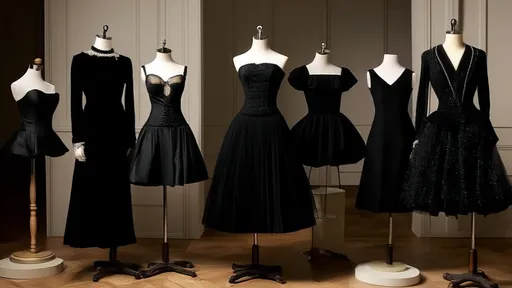
However, reframing the narrative around secondhand items can be a powerful first step toward overcoming this psychological hurdle. Instead of viewing a pre-owned object as something depleted or contaminated, consider it enriched by its history. Every scratch, every faded patch, every handwritten note is a testament to a life lived—a story waiting to be continued. This shift in perspective transforms the item from a cast-off into a artifact of shared human experience. For instance, a vintage dress isn't just fabric; it's a piece of fashion history, worn by someone who might have danced in it, celebrated in it, or simply lived their daily life in it. By embracing this narrative, we cease to see ourselves as mere consumers and become curators of stories, adding our own chapter to an ongoing legacy.
Practical steps can also ease the transition. Starting small often helps—opting for secondhand items that feel less personal, such as furniture or kitchenware, before moving to clothing or accessories. Cleaning and personalizing the item upon acquisition can act as a symbolic ritual, washing away the psychological residues of the past and imprinting one's own identity onto it. Researching an item's history, when possible, can demystify its past and replace anxiety with curiosity or even connection. Online platforms that provide detailed backgrounds or previous owner stories are particularly effective in this regard, as they transform anonymous objects into pieces with known narratives.
Furthermore, highlighting the ethical and environmental benefits of secondhand consumption can provide a compelling counterweight to emotional reservations. Every secondhand purchase is a vote against the wasteful cycles of fast fashion and disposable culture. It reduces demand for new production, conserving resources and minimizing pollution. This sense of purpose—of contributing to a larger cause—can imbue the act of buying used with positive meaning, overshadowing initial discomfort. Over time, as these purchases accumulate, they reinforce a new self-image: not as someone who settles for less, but as someone who chooses wisely and responsibly.
Social influence plays a crucial role as well. As more people openly embrace and celebrate secondhand finds, it normalizes the practice and reduces stigma. Social media platforms are already seeing a surge in influencers showcasing their unique vintage discoveries or thrift store hauls, portraying secondhand consumption as stylish, savvy, and environmentally conscious. This visibility creates a new cultural script where pre-owned items are desirable not in spite of their history, but because of it. Being part of a community that shares this values can provide the encouragement needed to push past initial hesitations.
Ultimately, overcoming the anxiety associated with "others' traces" is a journey of changing perceptions—both of objects and of oneself. It requires acknowledging the discomfort without being ruled by it, and consciously choosing to see value where others might see deficiency. The traces left by previous owners are not stains to be removed, but layers of meaning to be appreciated. In a world grappling with overconsumption and environmental crisis, this mindset shift is more than a personal preference; it is a small but significant act of resistance against a culture of waste. By embracing the stories embedded in secondhand items, we not only enrich our own lives but also honor the interconnectedness of human experience, one pre-loved object at a time.

By /Aug 21, 2025
By /Aug 21, 2025
By /Aug 21, 2025
By /Aug 21, 2025

By /Aug 21, 2025

By /Aug 21, 2025

By /Aug 21, 2025
By /Aug 21, 2025

By /Aug 21, 2025
By /Aug 21, 2025

By /Aug 21, 2025
By /Aug 21, 2025
By /Aug 21, 2025

By /Aug 21, 2025

By /Aug 21, 2025

By /Aug 21, 2025

By /Aug 21, 2025

By /Aug 21, 2025
By /Aug 21, 2025

By /Aug 21, 2025