In the ephemeral world of pop-up retail, the ability to weave a compelling narrative across a condensed timeline is what separates memorable brand experiences from fleeting commercial encounters. A 15-day pop-up is not merely a temporary storefront; it is a stage for a carefully choreographed brand story, unfolding in real-time with a beginning, middle, and end. This narrative arc transforms passive consumers into active participants, creating emotional resonance and fostering a deeper connection that extends far beyond the physical lifespan of the installation itself.
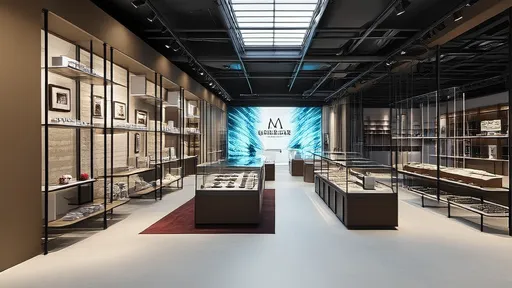
The first act of this 15-day saga is the grand opening, a moment of revelation and invitation. This initial phase, spanning roughly the first three days, is about generating buzz and setting the stage. The space itself is the protagonist introduced to the world. Its design, scent, and ambient sound are not arbitrary; they are the opening lines of the story, establishing the core theme—be it heritage, innovation, sustainability, or pure fantasy. The narrative here is one of discovery and exclusivity. Invitations might be cryptic, hinting at the story to come. The first visitors become the early adopters, the privileged few who get the first chapter. Their social media shares act as the modern-day word-of-mouth, building anticipation for the wider audience. The story is fresh, the energy is electric, and the brand’s key message is delivered in its purest, most concentrated form.
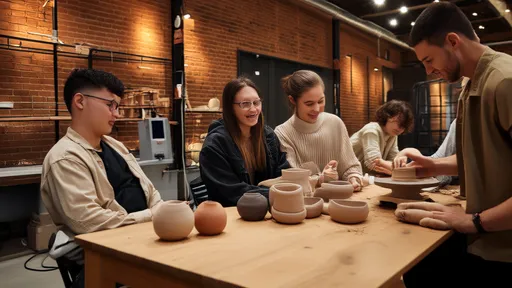
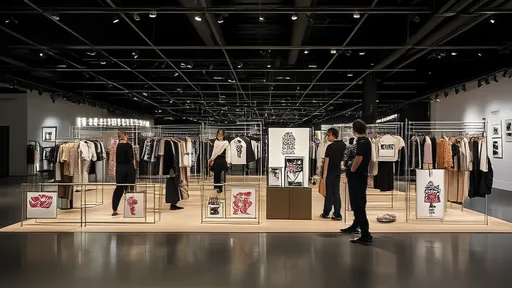
As the initial excitement settles, the narrative must evolve to sustain engagement through the middle chapters, days four through twelve. This is where the story deepens and the plot thickens. A static display for over a week would cause the narrative to stall. Instead, the brand introduces subplots and character development. This could manifest as a series of scheduled events: a masterclass with the head designer on day five, a live performance inspired by the collection on day eight, or a sustainable sourcing workshop on day ten. Each event is a new chapter, revealing a different facet of the brand’s personality and values. The space might even change subtly; an installation could be altered, new products could be unveiled, or interactive elements could be introduced. The narrative shifts from "come and see" to "come and participate." The customer is no longer just a reader; they are a character in the story, co-creating the experience through their interactions. This ongoing development maintains a sense of urgency and a reason for people to return, ensuring the story remains dynamic and prevents the pop-up from becoming a museum piece.
The final act, the last three days, is the climax and resolution. The narrative must build towards a memorable and emotionally satisfying conclusion. This is not the time to slow down; it is the time to amplify the story's core message. The energy of the opening can be recaptured but with a different tone—one of celebration and finality. A closing party is a classic finale, but the narrative can be more nuanced. Perhaps it culminates in a charitable auction of the displays, reinforcing a message of sustainability. Maybe it ends with the unveiling of a permanent product developed from community feedback gathered during the pop-up, showcasing a brand that listens. The story arc concludes by emphasizing what was learned, shared, and created during the journey. It’s about giving the community a sense of ownership over the story’s ending. Communication shifts to a tone of gratitude and legacy, hinting at future narratives to come. The final day is poignant; it’s the last page of a book everyone enjoyed reading. This deliberate closure makes the ephemeral nature of the pop-up part of its charm, creating a sense of cherished exclusivity for those who were part of it.
Crucially, the physical and digital narratives must be seamlessly intertwined throughout all fifteen days. The spatial experience is the primary text, but the digital footprint is the ongoing critical commentary and shared journal. Every Instagram story, TikTok video, and blog post generated by visitors extends the narrative’s reach and lifespan. The brand’s own channels must not just announce events but must narrate the story in real-time, sharing behind-the-scenes glimpses, profiling the "characters" (staff, designers, participants), and showcasing user-generated content. This creates a multi-threaded story that is told both within the four walls of the pop-up and across the digital landscape, ensuring the 15-day story is experienced by a global audience and lives on long after the doors close for the last time.
Ultimately, a successful 15-day brand story in a pop-up context is a masterclass in pacing and emotional engagement. It respects the audience’s intelligence by offering them a layered, evolving experience rather than a simple sales pitch. It leverages the power of scarcity and urgency not just to drive traffic, but to deepen meaning. By the final day, the goal is not just to have sold product, but to have sold a philosophy, a feeling, and a memory. The temporary space disappears, but the story it told becomes a permanent part of the brand's legacy, a tale that those who witnessed it will be eager to retell, eagerly anticipating the sequel.
By /Aug 21, 2025
By /Aug 21, 2025
By /Aug 21, 2025

By /Aug 21, 2025

By /Aug 21, 2025

By /Aug 21, 2025

By /Aug 21, 2025
By /Aug 21, 2025

By /Aug 21, 2025
By /Aug 21, 2025

By /Aug 21, 2025
By /Aug 21, 2025
By /Aug 21, 2025
By /Aug 21, 2025

By /Aug 21, 2025
By /Aug 21, 2025

By /Aug 21, 2025

By /Aug 21, 2025

By /Aug 21, 2025

By /Aug 21, 2025