In the digital age, the fashion landscape has undergone a seismic shift, largely driven by the pervasive influence of social media. Platforms like Instagram, TikTok, and Pinterest have not only transformed how we discover trends but have fundamentally altered our shopping behaviors, often fueling what is now widely recognized as fashion anxiety. This phenomenon stems from the constant exposure to curated perfection, the pressure to keep up with rapidly changing styles, and the blurring lines between inspiration and inadequacy.
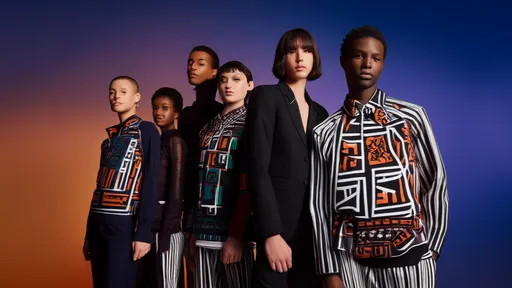
Social media has created an environment where trends emerge and fade at an unprecedented pace. In the past, fashion cycles were dictated by seasonal collections from designers and retailers, giving consumers time to adapt and invest thoughtfully. Today, a viral post or a celebrity endorsement can catapult a niche style into the mainstream overnight. This acceleration leaves little room for contemplation, pushing individuals to make impulsive purchases to avoid feeling left out. The fear of missing out, or FOMO, is a powerful driver behind this behavior, as users scroll through feeds filled with peers and influencers showcasing the latest must-have items.
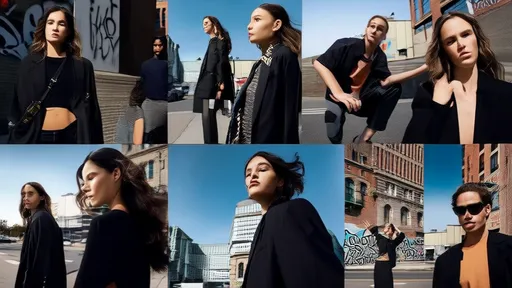
Moreover, the curated nature of social media content often presents an idealized version of reality. Influencers and brands meticulously craft their images, featuring flawless outfits in picturesque settings, which can create unrealistic expectations for everyday consumers. This constant bombardment of perfection can lead to feelings of inadequacy, as individuals compare their own wardrobes and lifestyles to these highly polished narratives. The desire to replicate these idealized looks fuels compulsive shopping, as people seek to bridge the gap between their reality and the digital fantasy.
The integration of shopping features directly into social platforms has further streamlined the path from inspiration to purchase. With features like shoppable posts and in-app checkout, the barrier between browsing and buying has never been lower. This convenience, while appealing, encourages impulsive spending. Users can now go from seeing an outfit they admire to owning it in just a few clicks, often without considering the practicality or longevity of the item. This instant gratification model prioritizes speed over sustainability, both environmentally and financially.
Another significant factor is the role of algorithms in shaping our preferences. Social media platforms use sophisticated algorithms to curate content based on our past behaviors, creating echo chambers that reinforce certain aesthetics and trends. This personalized content can make it feel as though everyone is adopting a particular style, amplifying the pressure to conform. The algorithm-driven feed ensures that users are continuously exposed to similar content, making it difficult to escape the cycle of comparison and consumption.
Additionally, the rise of hauls and unboxing videos has normalized excessive consumption. Content creators often showcase large quantities of purchased items, framing them as aspirational hauls rather than potential clutter. This portrayal of shopping as a form of entertainment or achievement can distort our perception of value and necessity. Viewers may feel compelled to emulate this behavior, equating the volume of purchases with success or social acceptance, further exacerbating fashion anxiety.
The environmental and ethical implications of fast fashion are also magnified by social media. While these platforms have raised awareness about sustainable practices, they simultaneously promote the very culture of disposability that contradicts such values. The pressure to constantly update one's wardrobe to stay relevant contributes to overproduction and waste. Consumers are caught in a dilemma: they are aware of the negative impacts but feel compelled to participate in trends to remain socially viable.
Furthermore, social media has democratized fashion criticism, exposing individuals to both praise and scrutiny. Outfit choices are now subject to public validation through likes, comments, and shares, turning personal style into a performance. This vulnerability to judgment can lead to anxiety about making fashion mistakes or being perceived as out of touch. The quest for external approval often overrides personal taste, driving purchases that align with popular opinion rather than individual identity.
In response, some consumers are pushing back, advocating for slow fashion and mindful consumption. Social media itself has become a platform for this counter-movement, with communities promoting thrifting, capsule wardrobes, and DIY fashion. However, these voices are often overshadowed by the dominant culture of consumerism. The tension between the desire to participate in trends and the urge to resist them adds another layer to fashion anxiety, creating a complex emotional landscape for modern shoppers.
Ultimately, social media's impact on shopping habits is a double-edged sword. It has democratized style inspiration and connected fashion enthusiasts worldwide, but it has also intensified pressures that lead to anxiety-driven consumption. As we navigate this digital fashion ecosystem, finding a balance between engagement and well-being becomes crucial. Recognizing the curated nature of online content and prioritizing authenticity over alignment may help mitigate the anxiety that now so often accompanies the simple act of getting dressed.
By /Aug 21, 2025
By /Aug 21, 2025
By /Aug 21, 2025

By /Aug 21, 2025

By /Aug 21, 2025

By /Aug 21, 2025

By /Aug 21, 2025
By /Aug 21, 2025

By /Aug 21, 2025
By /Aug 21, 2025
By /Aug 21, 2025
By /Aug 21, 2025
By /Aug 21, 2025
By /Aug 21, 2025

By /Aug 21, 2025
By /Aug 21, 2025

By /Aug 21, 2025

By /Aug 21, 2025

By /Aug 21, 2025

By /Aug 21, 2025